
Beginner Tips for Taking Better Phone Photos Every Time
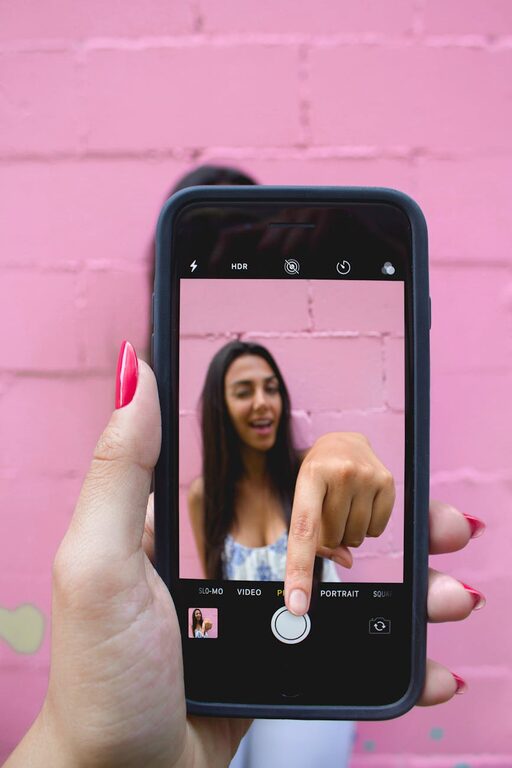
Taking great photos with your phone is easier than you think. Whether you’re snapping pictures of friends, nature, or everyday moments, a few simple tips can dramatically improve your results. Let’s explore beginner-friendly techniques that will help you take better phone photos with confidence.
Understanding Your Phone’s Camera
Before diving into photography tricks, it’s helpful to know what your phone camera can do.
Explore the Camera App Features
Most smartphones come with a variety of modes like portrait, panorama, or night mode. Spend some time experimenting with these features to understand when and how to use them.
Clean Your Lens Regularly
A quick but often overlooked tip: wipe your lens gently with a soft cloth. Dirt and fingerprints can make photos look blurry or hazy.
Composition Basics for Better Photos
Great photos aren’t just about the camera — they’re about how you frame your subject.
Use the Rule of Thirds
The rule of thirds divides your frame into a 3×3 grid. Position your main subject along these lines or at their intersections for a balanced, interesting photo. Most phone cameras allow you to turn on a grid overlay to help with this.
Fill the Frame
Get closer or zoom in (preferably using your phone’s optical zoom, if available) to eliminate distracting backgrounds and focus on your subject.
Look for Leading Lines and Patterns
Leading lines like roads, fences, or railings guide the viewer’s eye through your photo. Patterns and textures can add visual interest.
Lighting Tips for Gorgeous Shots
Lighting can make or break your photo.
Shoot in Natural Light Whenever Possible
Natural light is flattering and creates vibrant colors. Early morning and late afternoon, known as the “golden hour,” provide warm, soft light that’s perfect for photos.
Avoid Harsh Midday Sunlight
Midday sun can cast harsh shadows and make it hard to capture details. If you must shoot then, look for shaded areas or use your phone’s HDR feature to balance exposure.
Use the Flash Sparingly
Phone flash can make photos look flat and unnatural. Instead, try to find more light or adjust your shooting angle to make the most of available light.
Focus and Exposure Control
Getting the right focus and exposure ensures your photo is sharp and well-lit.
Tap to Focus
Most phone cameras let you tap the screen to set focus on your subject. This ensures your camera focuses on the right area, making your subject crisp and clear.
Adjust Exposure Manually
After tapping to focus, many phones allow you to swipe up or down to brighten or darken the image before taking the photo. Use this to avoid overexposed or underexposed shots.
Steady Shots for Clear Images
Blurry photos are often caused by camera shake.
Hold Your Phone Steady
Use both hands, keep your elbows close to your body, and hold your breath briefly when pressing the shutter.
Use a Tripod or Stable Surface
If possible, rest your phone on a stable surface or use an affordable tripod designed for smartphones to eliminate shake, especially in low light.
Experiment with Angles and Perspectives
Don’t settle for eye-level shots all the time.
– Try shooting from a low angle to make subjects appear larger.
– Capture scenes from above for a fresh perspective.
– Move around your subject to find the most interesting background or lighting.
Basic Editing to Enhance Your Photos
Post-processing can elevate your photos without needing complex software.
Use Built-In Editing Tools
Most phones offer simple editing tools to crop, straighten, adjust brightness, contrast, and colors.
Try Popular Photo Apps
Apps like Snapseed, VSCO, or Lightroom Mobile provide user-friendly editing features and presets to enhance your images.
Avoid Over-Editing
Keep edits natural and subtle to maintain the photo’s authenticity.
Practice and Patience Are Key
Improving your phone photography takes time. Don’t be discouraged by so-so shots. Review your photos, learn what works, and keep practicing.
—
With just a few mindful adjustments, you can significantly improve the quality of your phone photos. Remember, the best camera is the one you have with you — your phone — and with some practice, it can help you capture beautiful memories anytime, anywhere. Happy shooting!