
Tips for Choosing Comfortable Home Lighting for Every Room
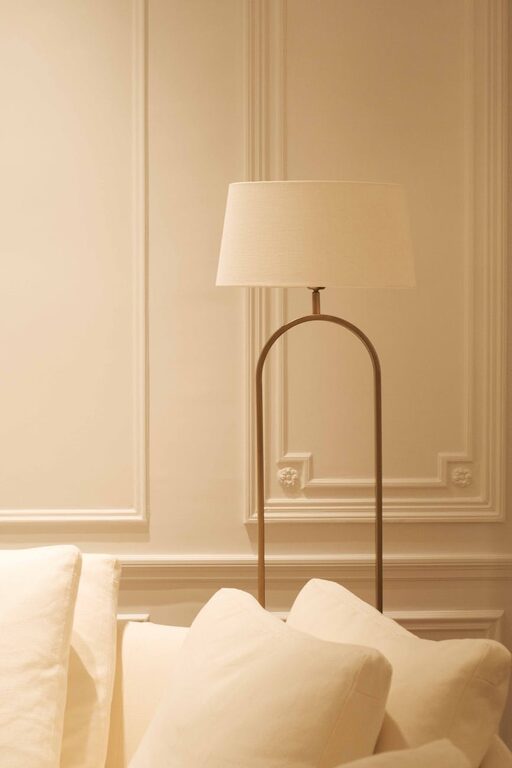
Creating a comfortable home lighting setup can transform your living space, making it more inviting and functional. Whether you are reading in your living room, cooking in the kitchen, or winding down in the bedroom, the right lighting helps set the perfect mood and ensures comfort. In this guide, we’ll walk you through practical tips for choosing home lighting that feels cozy, effective, and easy on your eyes.
Understanding the Basics of Comfortable Lighting
Before diving into specific tips, it’s important to grasp a few key lighting concepts:
– Brightness: Measured in lumens, this determines how much light is produced. Too bright or too dim can cause discomfort.
– Color Temperature: Measured in Kelvins (K), it influences the warmth or coolness of light. Warm light (2700K–3000K) is cozy, while cool light (4000K–5000K) feels more vibrant.
– Glare: Harsh or direct light that causes eye strain and discomfort.
– Layering: Using multiple light sources in a room to create balance.
With these in mind, let’s explore how to pick lighting that feels just right for your home.
1. Consider the Purpose of Each Room
Different activities require different types of lighting. Start by thinking about how each room is used:
Living Room
This is a multi-functional space often used for relaxing, socializing, and sometimes working. Choose warm, soft light with adjustable brightness to create a cozy atmosphere, but also include task lighting for focused activities.
Kitchen
Bright, clear lighting is vital here for safety and efficiency. Use cool white lights for work areas like counters and sinks, combined with softer ambient lighting for dining or casual conversations.
Bedroom
For rest and relaxation, soft, warm lighting with dimmable options works best. Avoid overly bright or harsh light that can disrupt your sleep cycle.
Home Office
Opt for bright, neutral light that mimics daylight to reduce eye strain and promote focus. Adjustable desk lamps are essential here.
2. Opt for Adjustable Lighting
The best home lighting offers flexibility:
– Dimmers: Install dimmer switches to control brightness according to time of day or mood.
– Smart Bulbs: These allow remote control of brightness and color temperature through apps or voice assistants, offering personalized comfort.
– Layered Lighting: Combine ambient, task, and accent lights for a balanced and adaptable setup.
3. Choose the Right Bulbs
Selecting the appropriate bulbs can greatly improve comfort:
– LED Bulbs: Energy-efficient and long-lasting, LEDs come in a wide range of color temperatures and brightness levels.
– Warm vs. Cool Light: Use warm lighting for living and sleeping areas to promote relaxation; cool lighting suits workspaces.
– CRI (Color Rendering Index): Choose bulbs with a CRI above 80 to ensure colors are displayed naturally and comfortably.
4. Avoid Glare and Shadows
Poor placement and lighting fixtures can cause eye strain:
– Position lights so they don’t shine directly into your eyes.
– Use shades, diffusers, or frosted bulbs to soften light.
– Arrange light sources to minimize harsh shadows, particularly in work and reading areas.
5. Match Lighting Fixtures to Your Style and Needs
Your choice of fixtures affects both comfort and aesthetics:
– Pendant lights work well over dining tables or kitchen islands.
– Floor and table lamps offer movable, task-specific light.
– Recessed or track lighting can distribute light evenly in larger spaces.
– Choose fixtures with adjustable heads for directing light where needed.
6. Use Natural Light Wisely
Natural sunlight has many benefits, including boosting mood and regulating circadian rhythms.
– Maximize daylight by placing mirrors and light-colored decor to reflect sunlight.
– Use window treatments like blinds or curtains to control brightness and reduce glare.
– Consider skylights or light tubes if your home lacks sufficient windows.
7. Test Before You Commit
Lighting can look very different in person than in product photos.
– Purchase a single bulb or fixture first to test in your space.
– Observe how the light interacts with your furniture and walls at different times.
– Make adjustments as needed before completing your entire lighting plan.
Conclusion
Choosing comfortable home lighting is about balancing brightness, warmth, and flexibility to suit your lifestyle and rooms. By considering the purpose of each space, using adjustable and layered light sources, selecting the right bulbs, and minimizing glare, you can create a warm and inviting home environment. Don’t forget to incorporate natural light and experiment with fixtures to find what truly feels comfortable for you.
Lighting plays a significant role in your comfort and well-being at home, so take your time and enjoy the process of brightening your space thoughtfully.