
Essential Tips for Keeping Your Houseplants Healthy and Thriving
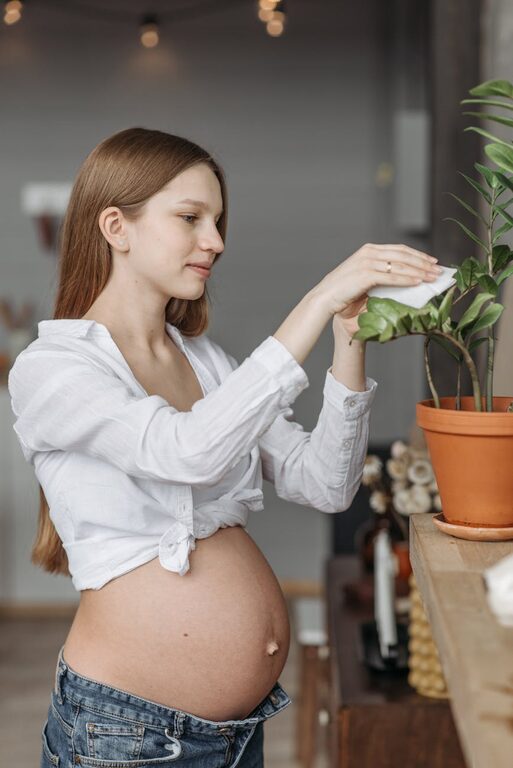
Houseplants bring a touch of nature indoors, enhancing your living space with beauty and fresh air. Whether you have a few succulents on a windowsill or a collection of tropical plants, keeping them healthy requires some basic care and attention. In this guide, we’ll share essential tips to help your houseplants thrive.
Understanding Your Houseplant’s Needs
Each type of houseplant has unique requirements. Before you start caring for a new plant, it’s important to know its preferences:
– Light: Some plants like bright, direct sunlight, while others thrive in low light.
– Water: Overwatering is a common mistake, but under-watering can also harm plants.
– Humidity: Tropical plants often need more humidity than desert plants.
– Temperature: Most houseplants prefer stable, warm indoor temperatures.
Reading the care instructions for your specific plant species is the first step toward success.
Choosing the Right Location
Light Availability
Position your plants where they will receive the appropriate amount of light:
– South- or west-facing windows typically provide bright light.
– East-facing windows offer moderate morning sun.
– North-facing windows have lower light, suitable for shade-loving plants.
Rotate your plants occasionally to ensure even growth and prevent leaning.
Temperature and Drafts
Avoid placing plants near doors, air conditioners, or heating vents where they might experience temperature fluctuations or drafts. Consistent temperatures help plants stay healthy.
Watering Wisely
How Often to Water
The frequency of watering depends on the plant type, pot size, and environment. A good rule of thumb is to water only when the top inch of soil feels dry. Use your finger to check moisture levels.
Proper Watering Technique
– Water slowly and thoroughly so it reaches the roots.
– Ensure pots have drainage holes to prevent waterlogging.
– Avoid letting plants sit in standing water.
Overwatering can lead to root rot, while underwatering causes wilting and leaf drop.
Soil and Fertilization
Choosing the Right Soil
Using the appropriate potting mix is crucial. Succulents and cacti need well-draining soil, while ferns prefer more moisture-retaining mixes. Avoid garden soil, which can be too dense for containers.
Feeding Your Plants
Houseplants benefit from balanced fertilizers during their growing season (typically spring and summer). Use a diluted, water-soluble fertilizer once or twice a month, following the package instructions. Hold off fertilizing in winter when many plants rest.
Maintaining Humidity Levels
Indoor air can be dry, especially in winter. To increase humidity:
– Group plants together to create a microenvironment.
– Use a humidity tray filled with water and pebbles.
– Consider a room humidifier if you have tropical plants.
Regular misting can help some plants, but it may encourage fungal issues if overdone.
Routine Care and Maintenance
Pruning and Cleaning
Remove dead or yellowing leaves to promote healthy growth and prevent pests. Pinch back leggy stems to encourage bushier growth.
Dust leaves regularly using a damp cloth or gentle brush. Clean leaves absorb light better and breathe easier.
Repotting
Houseplants often outgrow their pots. Repot when you see roots coming out of drainage holes or growth slows down. Choose a pot 1-2 inches larger in diameter than the current one.
Repotting in fresh soil refreshes nutrients and improves drainage.
Watching for Pests and Diseases
Common pests like spider mites, aphids, and mealybugs can harm your plants. Signs include sticky leaves, discolored spots, and webs. Inspect plants regularly and treat infestations promptly using insecticidal soap or natural remedies.
Also, watch for fungal or bacterial diseases, often caused by overwatering or poor air circulation. If you notice unusual spots or mold, isolate the plant and adjust care.
Tips for Specific Plant Types
Succulents and Cacti
– Use fast-draining soil.
– Water sparingly, allowing soil to dry between waterings.
– Provide plenty of bright light.
Ferns and Tropical Plants
– Keep soil moist but not soggy.
– Maintain higher humidity.
– Avoid direct sun to prevent leaf burn.
Flowering Houseplants
– Provide adequate light to encourage blooms.
– Fertilize regularly during blooming season.
– Deadhead spent flowers to promote new growth.
Final Thoughts
Caring for houseplants is a rewarding hobby that adds life and color to your home. By understanding your plants’ individual needs and establishing a consistent care routine, you can enjoy healthy, vibrant greenery year-round. Remember, patience and observation are key—each plant will tell you what it needs. Happy planting!